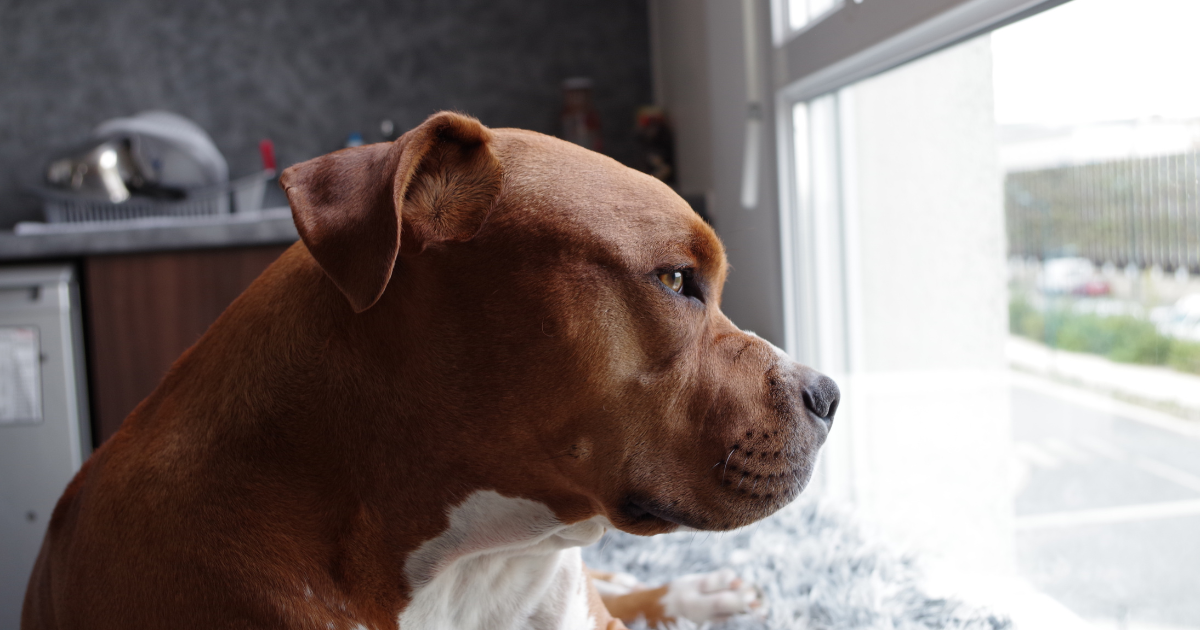
Pit bulls are among the most controversial types of dogs in the US. Their proponents extol the breed’s athletic prowess, intelligence, and loving nature, whereas detractors bring up breed restrictions and safety issues. But there remains a real issue at stake: can a pit bull serve as a service dog?
Yes, it can. Let me show you what that entails, what pitfalls to be wary of, and how it compares to having an emotionally supportive animal.
What Counts as a “Pit Bull,” and What Is a Service Dog?
“Pit bull” is not one breed; rather, it is an umbrella term that is generally used for several breeds. The breeds that can be considered pit bulls include the American Pit Bull Terrier, American Staffordshire Terrier, Staffordshire Bull Terrier, and sometimes even the American Bully. By saying pit bull, it means one of these breeds, especially the American Pit Bull Terrier and American Staffordshire Terrier.
A service dog, according to the Americans with Disabilities Act (ADA), is any dog that is individually trained to do a task for a person with a disability. This may include guiding a blind individual, alerting to an impending medical episode, assisting with mobility, or stopping a panic attack. It is important to know that, according to the ADA, a service dog is defined based on its training and function, not its breed.
Why Pit Bulls Aren’t the First Breed That Comes to Mind
Contrary to most other dogs, pit bulls are not often employed by traditional agencies providing service dogs; one cannot normally find them working alongside policemen or in guide dog projects. Instead, such dogs are quite typical in rescue organizations, which are not always able to employ these dogs due to their bad reputation. However, the reputation of pit bulls as excellent therapy dogs is getting better with time.
Traditionally, ancestors of this breed were bred in the British Isles for purposes of bull-baiting and other forms of blood-sporting before reaching the U.S., where the same dogs were used for herding cattle. However, the major problem of these dogs is their reputation as dogs participating in underground dogfighting, a form of animal cruelty now prohibited by law. This reputation has nothing to do with pit bulls themselves and comes from their history.
As to physical characteristics of these dogs, they are quite athletic by nature. Adult pit bulls weigh 30-80 lbs and reach 19 inches in height. They have a short coat requiring minimal care and can live up to 11-13 years.
What Makes a Pit Bull a Strong Service Dog Candidate
It’s the temperament of the dog that will tell you whether it will make a good service dog candidate, and many pit bulls possess the qualities that will suit them for such service:
- Strength and endurance, which can come in handy in mobility support jobs like bracing and pulling.
- Food-motivated and trainable; because of their good training skills, they will respond to regular training.
- Handler-focused and loyal, thanks to their history of working with humans.
- Affectionate and people-oriented when bred and trained properly.
- As with any other breed, there are some pit bulls that may be difficult or even reactive; the key here is temperament.
Legal Protections for Pit Bull Service Dogs
This is some truly great news for owners of pit bull service dogs: there are no breed restrictions for service dogs under the ADA. The Department of Justice of the United States government has been clear about the fact that it is not within the rights of businesses, landlords, and other organizations to deny the right of access to an actual service dog just based on its breed, whether it be a pit bull or not.
Navigating Breed-Specific Legislation (BSL)
Now is where things become a bit more challenging in practical application. Even despite ADA coverage, about 550 jurisdictions throughout the country still maintain breed-specific legislation of one form or another – either a complete ban on certain breeds (in most cases pit bulls) or restrictions such as required fencing or liability insurance. There are at least 16 states that have adopted laws that restrict local municipalities from making these kinds of restrictions, but many towns and counties still enforce them.
The important point of law here is that a local ban on certain breeds does not supersede an individual’s rights under the ADA concerning their service animal. Of course, there can be situations where people working with pit bull service dogs face problems due to a lack of knowledge on the part of the local authorities or businesspeople. Some cities have created an exception process for the situation, while other cities use an informal process approach to it.
How to Get a Pit Bull Service Dog
1. Confirm You Qualify
It begins like any other service animal: you will have to prove that you have a disability that limits one of your major life activities substantially. In the case of a psychiatric service dog, it means that you should see a licensed mental health specialist and find out if you need a service dog in your treatment.
2. Find Your Dog
Unlike other breeds of dogs, pit bulls are not used in the training process of service animals, and most of the handlers train their pit bulls themselves. There are plenty of rescues who can be used as your source of information about the specific dog and his background.
3. Evaluate Temperament and Begin Task Training
However, not all dogs of different breeds will have the ability to serve humans. An evaluation by a specialist can determine whether your dog has the right temperament for such kind of work. After that, you need to train the dog under the guidance of a specialist on how to perform certain tasks.
Emotional Support Dog vs. Psychiatric Service Dog: What’s the Difference?
It is highly important to differentiate between them, and both can apply to pit bulls just as well as any other dogs. Both types of animals can be helpful to an extent and provide certain mental or emotional benefits, but one of them has legal protection and the right to enter public areas.
Psychiatric Service Dog is a dog individually trained to do some specific tasks related to its handler’s disability and is allowed to accompany his or her owner in public places such as restaurants, stores, work, and housing where pets are prohibited. To get a PSD, one needs to have a disability diagnosis and be trained properly.
Emotional Support Animal provides comfort for its owner simply by its presence, does not need any special training, and has some rights according to the Fair Housing Act – thus, the landlord should provide it with accommodation in the building where pets are not allowed. It is enough to have an ESA letter from a licensed mental health professional to get an ESA. And, once again, there is no difference in breeds when it comes to housing – the Fair Housing Act prohibits landlords from discriminating based on a specific breed.
Not Sure You Need Full Service Dog Training? Consider an ESA
But getting a psychiatric service dog is a huge investment in terms of time, training, and temperament testing. When what you really want is companionship, comfort, and protection under the Fair Housing Act without needing any training to perform tasks in public, you would want to look into the option of having an emotional support animal, and you’re right—this includes pit bulls.
With ESA Clinic, you will be connected to licensed mental health professionals who will conduct a real evaluation for your dog, resulting in a real ESA letter covered by the Fair Housing Act irrespective of your pet’s breed. If your faithful pit bull is already your source of comfort at home, get started with your evaluation through ESA Clinic now!
Conclusion
Pit bulls definitely can be considered as service dogs, and this is backed up by federal law since it prohibits breed discrimination of any real service animal. The only things that really matter in such a case are the temperament and the training of a particular animal and not any outdated stereotypes about a certain breed. However, the local breed-specific legislation may become an obstacle indeed. Therefore, it is always a good idea to know what your local laws are. Besides, if the service dog option doesn’t suit you, there is always an ESA option.
Frequently Asked Questions
1. Can pit bulls legally become service dogs?
Yes. The ADA prohibits breed-based restrictions on service animals, so a pit bull can become a service dog the same as any other breed, provided it’s individually trained to perform disability-related tasks.
2. Can a landlord or business deny access to a pit bull service dog?
Generally, no. Federal law prohibits denying access to a legitimate service dog based on breed alone, though local breed-specific legislation can still create practical friction in some areas.
3. What makes pit bulls good candidates for service work?
Their physical strength, trainability, food motivation, and strong handler focus are traits that can suit service work well, though individual temperament always matters more than breed generally.
4. Can a pit bull be an emotional support animal instead of a service dog?
Yes. Pit bulls can qualify as ESAs with a valid letter from a licensed mental health professional, and the Fair Housing Act prevents landlords from denying them based on breed.
5. Do breed-specific bans affect pit bull service dogs?
By law, ADA provisions should supersede breed regulations for genuine service dogs, although handlers may occasionally experience local problems, so knowledge of local laws is essential.
6. How do I get a psychiatric service dog if I have a pit bull?
First, you need to visit a mental health professional and get an assessment to see whether you fit the criteria, and then train your dog with a certified trainer.