
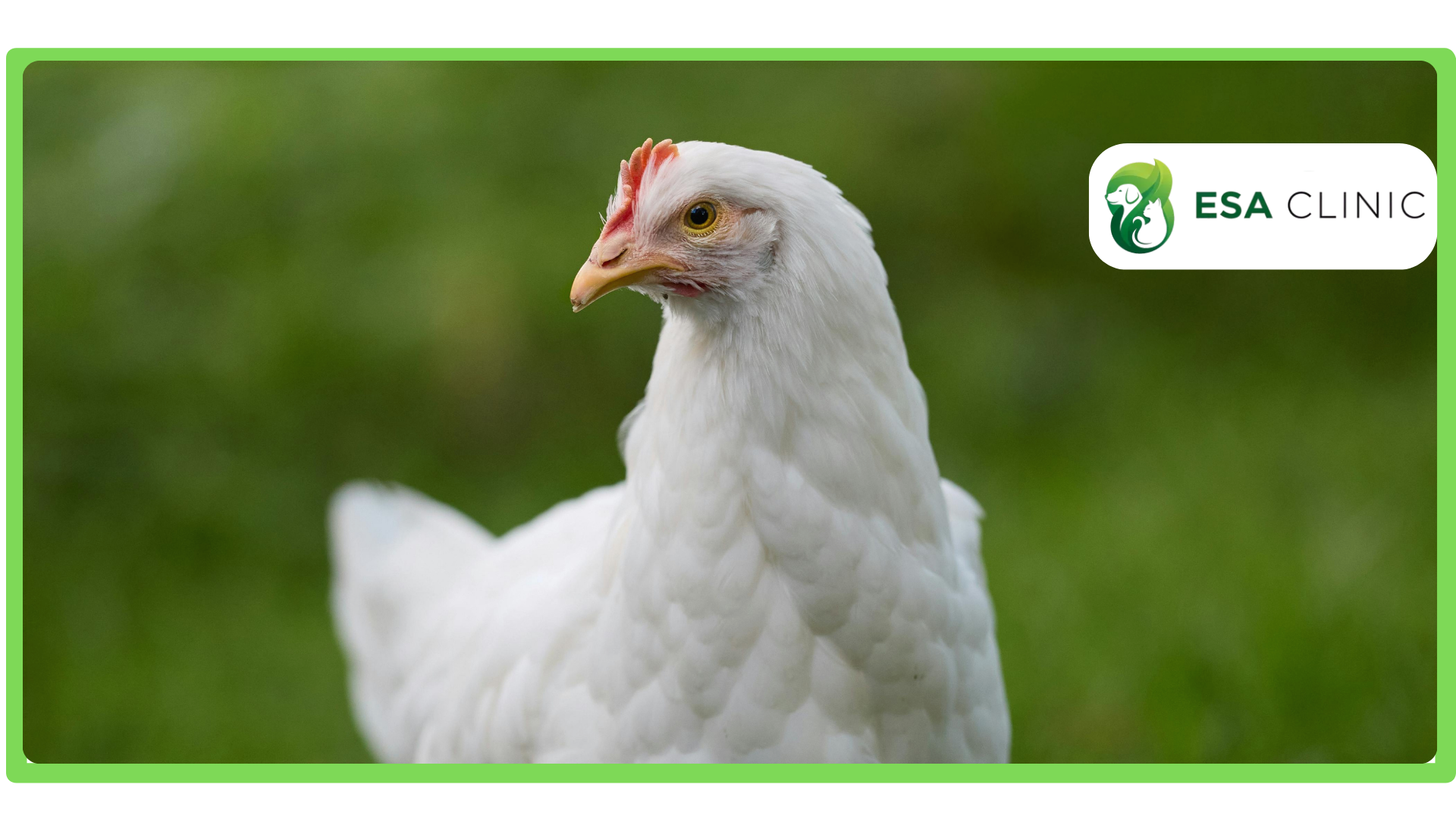
Dogs and cats are the first animals that come to mind when people mention ESAs. However, emotional comfort is an individual thing, and not all people relate to ordinary pets. Some people feel calm and secure while caring for chickens. Can a chicken be an emotional support animal? It can be possible, but legal and practical considerations, and housing considerations, have to be evaluated. Stress can be reduced by observing animals move in a relaxed environment, hearing a natural sound, and practising a daily routine of care, which can introduce emotional balance. They may offer this type of comfort for some individuals.
Legal Possibility of a Chicken as an ESA
ESA guidelines do not list specific animal species, but approval depends on housing and safety factors. ESAs are different from service animals because they do not need specialized training. Their role is to provide comfort related to a mental or emotional health condition. In housing-related situations, in some countries, laws focus more on the individual’s needs than on the animal’s species. Under the condition of the ESA accommodation, a chicken may be considered in a case when a licensed mental health professional proves that it is emotionally supportive and related to the condition of the person, as per the housing policies and local legislation. Nevertheless, it does not imply that chickens are free to go anywhere. Property type, local animal rules, and safety concerns can affect approval.
Housing Realities Many People Overlook
This is where practical issues become important. Chickens are referred to as farm or backyard animals as opposed to being pets. Backyard chickens are permitted in some cities but prohibited or limited in others because of sanitation, smell, or noise. ESA recognition does not remove all local animal regulations. Landlords may be required to review ESA accommodation requests, although they may decline when such an animal poses a severe health or safety risk, property damage, or is unable to be reasonably accommodated. Having a chicken in a small apartment without sanitation may be considered a valid issue.
Care Requirements That Affect Suitability
Chicken requirements are also special and determine their ability to become a suitable emotional support animal. They need defense, housing, sanitation, food, and water. They should be capable of performing their instinctive activities, such as scratching and moving around in their environment. When these needs are not met, the chicken can also get stressed, and this makes it less of a companion to peace. Consequently, the chicken is more likely to be placed in a house with an external space than in an apartment.
Health Considerations for Owners
Chickens may contain bacteria that contain Salmonella, and hence hygiene is required. Washing hands after handling them and ensuring a clean environment where they reside are also used to minimize the risk. Individuals who have severe allergies or weakened immune systems need to consider well before adopting a chicken as an ESA. The responsible care safeguards the owner and the animal. In addition, chickens produce dust because of feathers and bedding materials that may lead to breathing difficulties for individuals who are sensitive to the dust. Cleaning the coop and proper ventilation could help to improve the air quality. The second tip is never letting the chickens walk around the food preparation areas, and as a result, the chances of contamination are reduced. When poultry is subjected to regular veterinary check-ups, early detection of health complications and maintenance of the animal in good health can be achieved.
Behavior Differences Compared to Typical ESAs
Chickens do not express affection as dogs or cats do. They do not cuddle easily or quickly react to emotional indicators. The emotional value is usually the pleasure of seeing their natural behaviors and adherence to a care routine. To certain personalities, this silent company is effective. Chickens are habitual animals, and they feel most comfortable with routine schedules. They may be scared by a sudden change of the environment, loud noise, or being handled in some manner. Consequently, they feel free in silent homes where the area does not change. Their body language is subtle, and thus owners must be patient to learn how to interpret a sign of comfort or stress. This more leisurely, visually-directed relationship contrasts with the active emotional responses that individuals receive from traditional companion animals.
When a Chicken May Be a Good Choice
A chicken can be an appropriate ESA when an individual resides in an area where keeping chickens is allowed, where they have sufficient space to handle it, and where they are relaxed by being in proximity to nature. It is also useful when the individual appreciates routine and responsibility as a form of emotional coping behavior. Housing-related ESA recognition requires professional documentation by a licensed mental health provider. It can also suit people who like spending their time outside, other than taking care of pets indoors. Being outside, feeding or watching chickens may prompt fresh air, exposure to sunlight, and mild exercise, which a lot of people will link to a better mood and routine. Individuals who have become fatigued of highly dependent pets may find the more independent chicken more appealing. Nevertheless, the choice must be in line with the lifestyle of the person and the welfare of the animal.
Conclusion
Yes, a chicken may be an emotional support animal, but it is a special case. The emotional benefit should be genuine, the living condition should be conducive to adequate animal care, and local laws should be adhered to. Chickens can offer comfort on the basis of routine, soothing sounds, and connection to nature instead of physical affection. The relationship can be good when the standards of care are realized, and expectations are achievable. The differences between chickens and the traditional companion animal can be comprehended to make sure that emotional support is achieved because of the healthy and balanced environment. Careful consideration and responsible planning are essential before choosing a chicken for emotional support.