xBorder Collies are considered the smartest dog breed on the planet, but this isn’t merely a legend spread through internet forums. They have been bred in Scotland as herding dogs, having to lead sheep through vast, unpredictable landscapes with very little supervision at all. This has endowed them with an unusual mix of smarts, concentration, and willingness to please, which makes for quite an unexpected candidate in the field of service dogs.
But even the smartest dog won’t make the best choice for any particular task. Here is your guide on the strengths and weaknesses of Border Collies as service dogs and ways to get them.
What Are Service Dogs?
According to the United States Department of Justice, a service dog can be defined as an animal that is trained to perform particular work or tasks for people with disabilities. According to the ADA, some of the functions that can be performed by a service animal include guiding blind people, alerting deaf people, pushing a wheelchair, interrupting a panic attack, or reminding the handler to take his/her medication.
The most important word is trained. The intelligence and the temperament of the dog are very crucial, but the most important thing about a service dog is the training that it has undergone in order to carry out a task for a handler’s disability.
Why Border Collies Stand Out
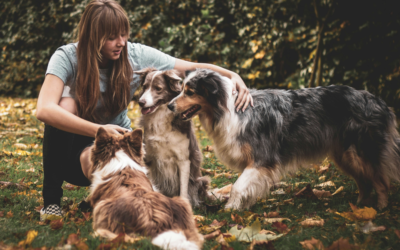
The Border Collie has been bred exclusively for work purposes. The ability to herd livestock over long distances with the help of small body-language signs coming from both livestock and its owner was one of the criteria for breeding the breed. As a result, a working Border Collie is highly attentive and highly trainable with an extremely developed understanding of human body language.
- Intelligence. According to different dog trainers and canine researchers, the Border Collie is the most intelligent dog breed. There even is the story about a single Border Collie that knew over a thousand names of different objects. This means that the Border Collie’s capacity for learning is very high, which makes training a service dog a simple task for Border Collies.
- Trainability and desire to work. Not many dogs will like to have a “job,” but not a Border Collie.
- Size/Build. Border Collies stand roughly between 19–22 inches tall and weigh 30–55 pounds; this is considered a manageable medium-sized dog – large enough to accomplish certain physical tasks, but not too large for handlers who live in smaller spaces.
- Temperament. Border Collies are known for being affectionate, loyal, and easy to please; these qualities, among others, allow many Border Collies to be great therapy dogs in addition to working in a service capacity.
There are a few breed characteristics to prepare for, however. The herding instinct Border Collies have gives them a prey drive that may result in them reacting towards small animals, or even small children on occasion, if they haven’t been appropriately socialized. They are an alert and vocal breed and will bark readily unless trained otherwise. Additionally, they are a highly energetic breed; without an outlet for their energy, a Border Collie can become very destructive.
Border Collies as Service Dogs: Pros and Cons
Pros:
- Exceptional intelligence makes learning multiple complex tasks realistic
- Highly responsive to training, hand signals, and body language
- Manageable medium size for handling in most environments
- Deep loyalty and devotion to their handler
- Naturally alert and focused, useful for tasks that require sustained attention
Cons:
- Herding instinct can create a prey drive around small pets or children
- Tendency to bark unless specifically trained not to
- High exercise and mental stimulation needs – not a low-maintenance breed
- Requires regular grooming due to their double coat
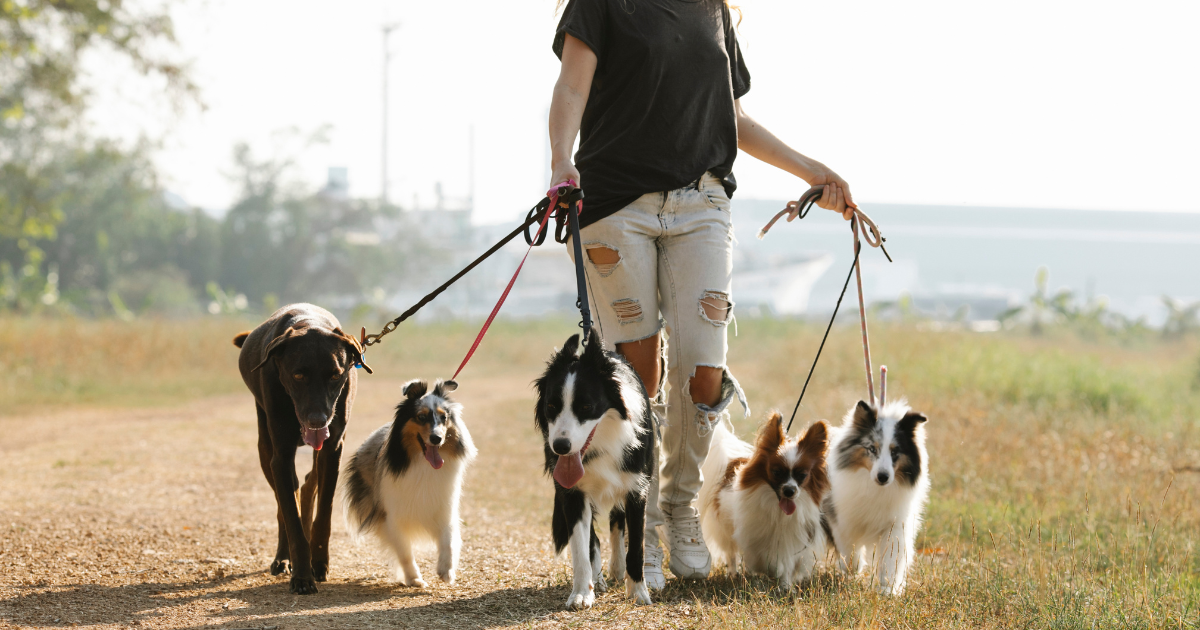
- Not well suited to a sedentary lifestyle; a handler needs a way to help the dog burn energy
For a handler with a physical disability, it’s worth being honest about activity level: a Border Collie needs consistent outlets for its energy, whether through structured training, walks, or play, regardless of how much active work it’s doing as a service dog.
How to Get a Border Collie Service Dog
1. Confirm you qualify for a service dog
Service dogs are meant for individuals who have disabilities that significantly impact their lives. If you need a service dog due to psychiatric disability, you will need to make an appointment with a licensed therapist or psychologist. When it comes to physically disabled people, seeing a physician is the best place to begin. This is important because getting a service dog requires much effort and commitment on your side.
2. Decide how you’ll find your dog
There is a high probability that the Border Collies or their mixes are available at local shelters and in breed-specific rescue organizations, so start there in case you prefer adoption. Alternatively, you can consider buying a dog, but make sure that you find an ethical breeder who does health tests on the puppies for breed-specific diseases.
3. Commit to real training
Whichever you choose, you should consult a professional dog trainer who works specifically with service dogs. While the Border Collie is an inherently intelligent dog breed, it still requires proper training in order to be reliable at disability-related tasks. It will take more than a few weeks for your dog to become fully trained.
4. Be realistic about fit
The Border Collie enjoys companionship from an owner who is capable of keeping up with its energy levels. If your disability affects your physical abilities to provide such a dog with enough physical activity, then you should think about consulting a dog trainer about this issue.
Conclusion
With their combination of intelligence, loyalty, and willingness to work, Border Collies are a truly unique pick for being service dogs, but only if their high energy levels and herding tendencies are properly controlled with proper training. No matter what type of service dog a Border Collie becomes – whether as a working service dog, a therapy dog, or a loyal pet – this dog is usually ready to put all its efforts into taking care of its loved ones.
Of course, not all people need to have a working service dog, and if your purpose is to have the dog as company and get some emotional support because of existing mental health issues, it might be more appropriate to go for emotional support animals instead. Due to their people-oriented and loving nature, Border Collies can make wonderful ESA dogs as well. The qualified professionals at ESA Clinic can help you to learn whether you need an ESA letter.
FAQs
Why do Border Collies make good service dogs?
They’re exceptionally intelligent, highly trainable, and deeply loyal to their handler. Their ability to quickly learn multiple tasks and respond to subtle cues makes them well suited to complex service work.
Are Border Collies too high-energy to be service dogs?
Not necessarily, but they do need regular exercise and mental stimulation. Handlers should have a realistic plan for meeting those needs, since a bored Border Collie can become anxious or destructive.
Should I get a service dog or an emotional support animal?
Start with a licensed mental health professional or physician, who can evaluate whether your condition qualifies you for a service dog. If you don’t need task-specific training, an ESA may be a simpler, more accessible option, and ESA Clinic can help you determine eligibility.
Do Border Collies need special training to be service dogs?
Yes. All types of service dogs, whatever the breed, require training in order to execute particular tasks related to a certain disability and behave predictably in public spaces. A partnership with an accredited professional trainer is highly advisable.
Can a rescued Border Collie become a service dog?
Yes. There are many qualified service dogs among the rescue dogs. What counts is the personality of the individual dog, its health, and ability to train rather than the source where it was acquired.
Are Border Collies good with children and other pets?
Many of them are; however, their instincts of herding may cause prey drive towards smaller animals or strange behavior towards smaller children if not socialized early enough.