
In silence, dogs have been helping humans in hospitals, retirement homes, and schools for many years by providing comfort. The most important thing to know when thinking about dogs in such settings is the Alliance of Therapy Dogs, which plays an essential role in all this. You may have often heard about this organization, but not known about its work, the difference between it and getting an emotional support animal, or whether your own dog is suitable for this type of work.
What Is the Alliance of Therapy Dogs?
The Alliance of Therapy Dogs (ATD) is a non-profit organization engaged in the evaluation, registration, and insurance of therapy dog teams on a voluntary basis in the USA and Canada. While ATD does not train dogs, it evaluates those that already have a gentle and calm temperament and then trains and registers them, together with their owners, to go into various places such as hospitals, hospices, nursing homes, schools, libraries, or disaster relief sites.
The mission of the Alliance is clear: to bring the therapeutic powers of the dog presence to those who need it. Besides certification, ATD offers liability insurance to its registered teams, provides volunteers with support and community, and ensures that dogs comply with health and behavior requirements set by ATD before getting a green light to visit people in public places.
As therapy dogs work with people who may be medically frail, elderly, or simply vulnerable, ATD makes sure that its evaluation process is thorough enough. A therapy dog is not only nice and thus automatically qualifies, but also demonstrates solid behavior when interacting with wheelchair-bound patients, medical equipment, unusual sounds, or other people.
Therapy Dogs vs. Emotional Support Animals: An Important Distinction
It is another frequently confused aspect that deserves a thorough explanation due to the difference in the roles of the two and their requirements.
A therapy dog, certified by an organization such as ATD, is trained and tested to comfort various people and not only its handler. A therapy dog with its handler could visit one week a children’s hospital and another week a nursing home, comforting anyone they encounter. Due to their public role, therapy dogs should undergo some formal testing and keep certain health and behavior standards.
In turn, an emotional support animal (ESA) is needed for one particular person, its owner, who suffers from a certain psychological or emotional disorder. As an ESA does not have to take a temperament test or undergo any other kind of formal training, it needs only a legitimate ESA letter from a licensed mental health professional stating that the animal helps the owner to deal with his/her disorder in some way. As opposed to therapy dogs, which could only be canines, an ESA may be almost any pet such as a cat, a bird, a rabbit, and so on.
Also, the rights of ESAs and therapy dogs in terms of legal protection are different. For example, when an ESA animal is properly documented, it is covered by the Fair Housing Act, which means that the landlord should provide accommodation even if the property is pet-free. However, a therapy dog does not receive this level of protection due to its certification because permission to enter the premises of the particular organization (for example, a hospital, school, etc.) is granted by an agreement with the organization.
If you want to have a legitimate option for having your animal at home, you need to get an ESA letter instead of the therapy dog certification. At ESA Clinic, you will be able to obtain this document after being evaluated by a licensed mental health professional.
ATD’s Requirements for Becoming a Therapy Dog
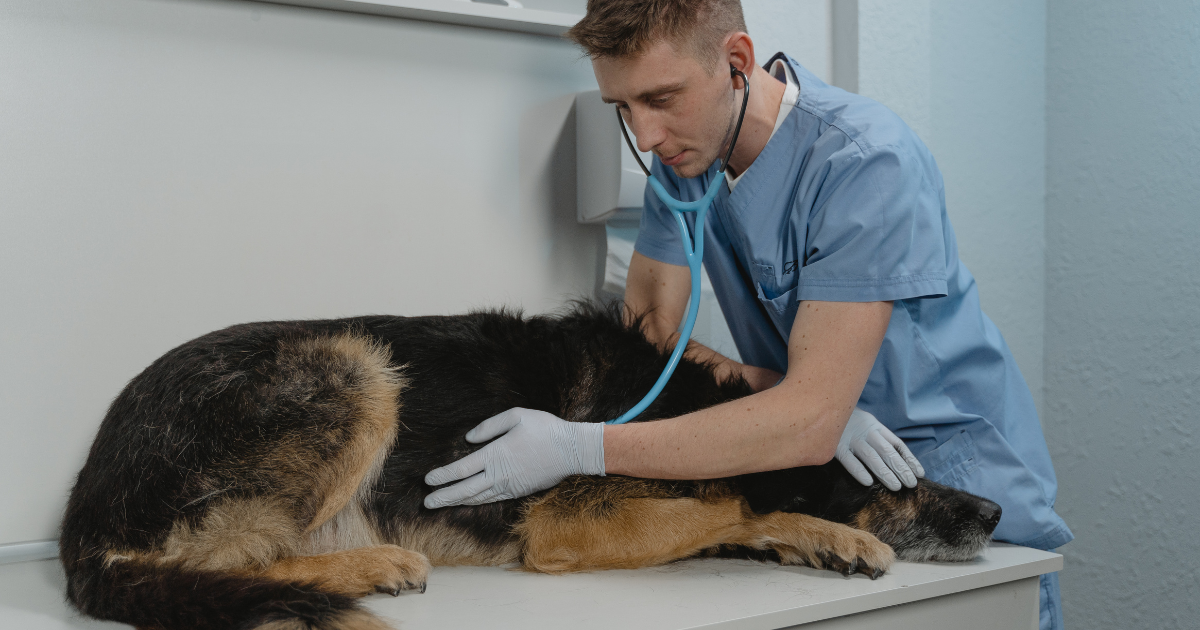
According to the Alliance of Therapy Dogs, there are no breed or sex restrictions; any dog, mixed breed or purebred, can potentially qualify. That said, dogs must meet several baseline requirements:
- Be at least one year old
- Be in good general health
- Have a calm, friendly, and reliably even temperament
- Respond well to their handler’s commands and control
- Not be fed a raw food diet
Due to insurance and liability considerations, ATD does not certify wolf-hybrids, coyote-hybrids, or other wild canine hybrids as therapy dogs, regardless of temperament.
How the ATD Enrollment Process Works
Becoming an ATD-certified therapy team involves a few clear steps:
Step 1: Background Check
As a volunteer-driven organization that works extensively with vulnerable populations, each handler has to clear a background check before going any further in the process. The background check involves a small fee to keep the liability insurance of the organization affordable for all members.
Step 2: Temperament Testing
After the successful background check, the next step is to conduct a temperament test on the dog. This involves evaluating the behavior of the dog around strangers, equipment, noise, and other circumstances that mimic the situations that the therapy dog will experience on a visit.
Step 3: Documentation and Membership Application
After passing the evaluation, handlers complete a membership application and submit supporting documentation, which typically includes:
Proof of current rabies vaccination or a completed health verification form
- Proof of an annual veterinary wellness exam within the past 12 months
- A negative fecal exam result
- Completed test/observer results
- Applicable membership fees
- A signed acknowledgment of the organization’s rules and policies
Once approved, the dog and handler become a certified ATD therapy team, ready to start bringing comfort to people who need it.
Can Other Animals Get Involved in Therapy Work?
Certification of dogs is carried out by ATD, but it is not true to say that dogs are the only kind of animals that can offer therapeutic help in a group environment. There are also other organizations that carry out certification of other types of animals that are good at offering their services to people they visit.
It should be noted that there are great differences between therapy animals and ESAs since basically any domesticated animal can become an ESA for its owner if the proper documentation is provided.
ATD’s Recognition and Standing
Recognition of the Alliance of Therapy Dogs by the American Kennel Club (AKC), one of the oldest purebred dog registration organizations in America, is a testament to its efforts toward certification and support of therapy dogs in the country. It shows that the Alliance of Therapy Dogs is one of the well-established therapy dog organizations.
Getting In Touch With ATD
If you are considering whether your dog possesses the qualities of a certified therapy dog or if you merely have questions regarding the certification process, then Alliance of Therapy Dogs will normally be accessible via the information provided on the organization’s website.
If What You Actually Need Is an ESA, Start Here
It is not always the case that every dog (or owner) is seeking to be part of the certification process, which will allow your dog to go around visiting institutions such as schools and hospitals; what you really need may be much simpler – legal permission to keep your own pet by your side at all times. If this is your case, then ESA Clinic provides you with access to qualified mental health professionals who will issue you an ESA letter according to the Fair Housing Act.
Whether you are in the beginning stages of determining if an ESA is something you need or if you already know that you cannot do without your companion animal, begin the process at ESA Clinic now.
Frequently Asked Questions
1. What’s the difference between a therapy dog and an emotional support animal?
A therapy dog is trained and certified to comfort many different people in settings like hospitals or schools. An ESA supports one specific owner and requires an ESA letter, not certification or training.
2. Do I need to certify my dog to make it an emotional support animal?
No. ESAs don’t require certification, registration, or training. All you need is a valid ESA letter from a licensed mental health professional confirming your qualifying condition.
3. Can any breed of dog become a certified therapy dog through ATD?
Yes. The Alliance of Therapy Dogs doesn’t restrict certification by breed or sex, though dogs must meet age, health, and temperament requirements.
4. Can cats or other animals be certified as therapy animals?
ATD certifies only dogs, but other organizations exist to certify cats, rabbits, and other species for similar public-facing therapy work.
5. Does becoming a certified therapy dog give my dog housing rights under the Fair Housing Act?
No. Therapy dog certification and ESA housing rights are different things. In order to enjoy housing protection under the Fair Housing Act, all you need is an authentic ESA letter.
6. How do I get a legitimate ESA letter for my dog?
You will have to get an evaluation by a licensed mental health expert, who can issue you a signed ESA letter.