
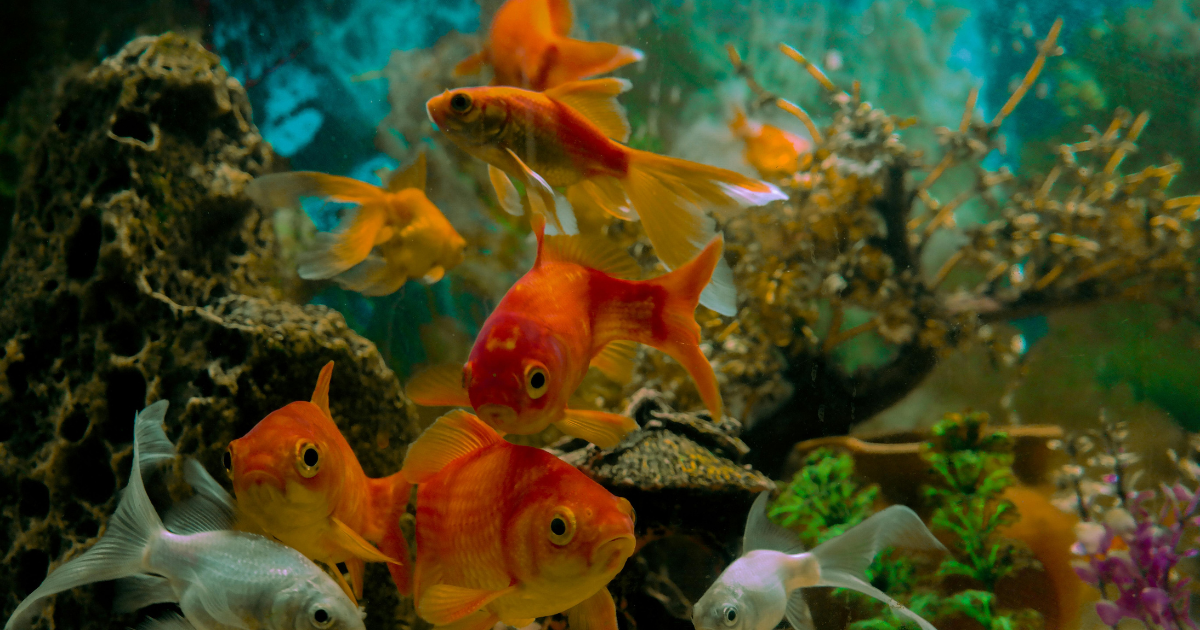
An emotional support animal in the mind’s eye is typically a dog curled up on the couch or a cat in someone’s lap. What about a betta fish swimming in its tank or a school of guppies moving by the plant in the tank? Believe it or not, it’s definitely possible for a fish to serve as an emotional support animal.
Find out why fish make good emotional support animals, their real advantages, and how to certify your pet as an ESA fish.
Yes, a Fish Can Legally Be an ESA
As per the Fair Housing Act (FHA), there is no limitation placed on the nature of the animal to be used as an ESA. It does not stipulate the presence of fur, feathers, or hugging capabilities; it just asks for an animal capable of providing a genuine benefit to a person with an eligible mental/emotional problem. Thus, fish become one of the possible ESAs, just like birds, rabbits, guinea pigs, and any other domestic animals, as long as the need is validated by a licensed mental health professional.
It should be mentioned that what validates an ESA is not the animal itself but the document. Fish become an ESA by obtaining an ESA letter just the way dogs or cats do.
The Real Mental Health Benefits of Fish
At first glance, this might sound quite far-fetched. However, there are solid reasons why fish can be considered an excellent choice as an emotional support animal:
- The meditative quality. The sight of a fish gliding in the water is inherently calming for many people, just like ambient sounds and gentle movements of water have a soothing effect on people.
- Stress reduction and low blood pressure. According to some scientific findings, watching fish swimming in an aquarium decreases people’s stress levels and helps them relax.
- Easy routine. Regular feeding and taking care of the tank create a simple routine that does not require too much effort, unlike the care of dogs or cats.
- Companionship option for people with disabilities. Individuals with mobility issues, small houses or apartments, allergies, and hectic lifestyles often do not have opportunities to get a dog or a cat; however, a fish provides a great opportunity to feel all the advantages of pet keeping.
- A non-intrusive option. People who do not want to take care of animals that are too noisy and active can consider this option.
Why Fish Can Be a Great ESA Choice
There are several reasons why fish can be an excellent choice for ESAs:
- Low maintenance: Walking, litter box cleaning, exercise – none of these are needed; only feeding and occasional maintenance of the aquarium is required.
- Space-savvy: The aquarium occupies minimal space in an apartment, compared to other animals that require more space.
- Silent: Fish do not bark, meow, or make any other sounds that might disturb your neighbors; thus, discussions with your landlord about housing become easier.
- Hypoallergenic: Those who are allergic to pets have an alternative to getting an ESA that will not cause allergies.
- Confinement and predictability: As fish will remain in the aquarium, there is no need to worry about possible behavioral problems or damage to property that the landlord might be concerned about.
How to Get an ESA Letter for a Fish
The process works the same as it would for any other ESA:
1. Reflect on How Your Fish (or Fish-Keeping) Supports You
Consider how having or taking care of fish actually helps you, such as alleviating your anxiety, creating a comforting experience, or at the very least giving you some purpose.
2. Consult a Licensed Mental Health Professional
You will require an assessment from a certified mental health practitioner, which can be done by an LMHP, therapist, psychologist, psychiatrist, or clinical social worker practicing in your state, to see whether you are eligible and whether an ESA would be beneficial to your well-being.
3. Complete a Genuine Clinical Evaluation
A real evaluation involves a real discussion of your mental wellness and how having a fish can help in the coping process or your therapy. When it comes to ESAs, beware of the instant approval scam artists.
4. Receive Your ESA Letter
After the certification, you will get a letter signed by an official on the letterhead stating that you have a qualifying condition and require an ESA. No mention of the species is required in the letter; it grants you the right to an ESA, which can then apply to your fish.
5. Present Your Letter to Your Housing Provider
The next step is to present your ESA letter to the landlord or property manager. According to the FHA, the landlord is obliged to waive any pet fees and restrictions regarding an ESA, even fish.
Where Your ESA Letter Actually Applies
- Housing (Fair Housing Act): This is where you have your best protection. You may be allowed to keep your fish ESA without pet fees or deposits.
- Air travel: Airlines are not mandated to accommodate ESAs anymore under the Air Carrier Access Act, and in practical terms, most airlines also have restrictions that make it impossible to travel with a fish anyway.
- Public access (restaurants, stores, etc.): ESAs, including your fish, don’t have any legal public access rights like service dogs under the ADA.
Note on federal housing laws update in 2026: HUD changed its enforcement guidance on untrained ESAs in May 2026 and will generally refrain from pursuing federal housing complaints unless the animal is trained to perform an individual task. The actual Fair Housing Act law didn’t change, and some states still have their own ESA housing regulations, but it becomes more crucial to have proper paperwork now.
Choosing the Right Fish for Emotional Support
If you’re considering fish as an ESA, a few popular, low-maintenance options include:
- Betta fish – known for vibrant colors and a distinct personality; they can thrive in smaller tanks and often recognize their owners.
- Goldfish – a classic, hardy choice that’s relatively easy to care for.
- Guppies or mollies – small, colorful, and social, often kept in small groups for a lively, calming tank.
Whatever you choose, a well-maintained tank with healthy, active fish will offer the most consistent therapeutic benefit.
Start Your ESA Evaluation With ESA Clinic
Be it a canine companion, a feline companion, or even a simple tank of fish, what is more important is obtaining certification that carries weight. ESA Clinic helps you connect with licensed mental health practitioners to conduct a legitimate evaluation and gives you an ESA letter that ensures your right to have an emotional support animal, fins included, in places that ban pets.
Are you ready to give your fins some recognition? Get started with your evaluation from ESA Clinic now.
Frequently Asked Questions
1. Can any type of fish be an emotional support animal?
Yes. The Fair Housing Act doesn’t restrict ESA species, so any fish, from a betta to a goldfish, can qualify with a valid ESA letter from a licensed mental health professional.
2. Does a fish need to be trained to be an ESA?
No. Emotional support animals, including fish, don’t require any training. Their role is providing comfort simply through their presence.
3. Will a landlord accept a fish as an ESA?
Generally, yes. With a valid ESA letter, landlords must treat a fish the same as any other documented ESA under the Fair Housing Act, without pet fees or deposits.
4. Can I take my emotional support fish on a plane?
Not through any kind of accommodation. Airlines are no longer obligated to make accommodations for ESAs, and fish tanks simply won’t work for most flights.
5. Do I need a separate ESA letter for each pet, including fish?
One ESA letter is usually enough to satisfy your need for emotional support animals. It’s not necessary to indicate a specific species in the letter, but you should verify it in your letter.
6. Are there other unusual animals that can be ESAs, like fish?
Yes. Beyond fish, animals like rabbits, guinea pigs, birds, and even reptiles can qualify as ESAs, as long as they’re domesticated and provide genuine therapeutic benefit.