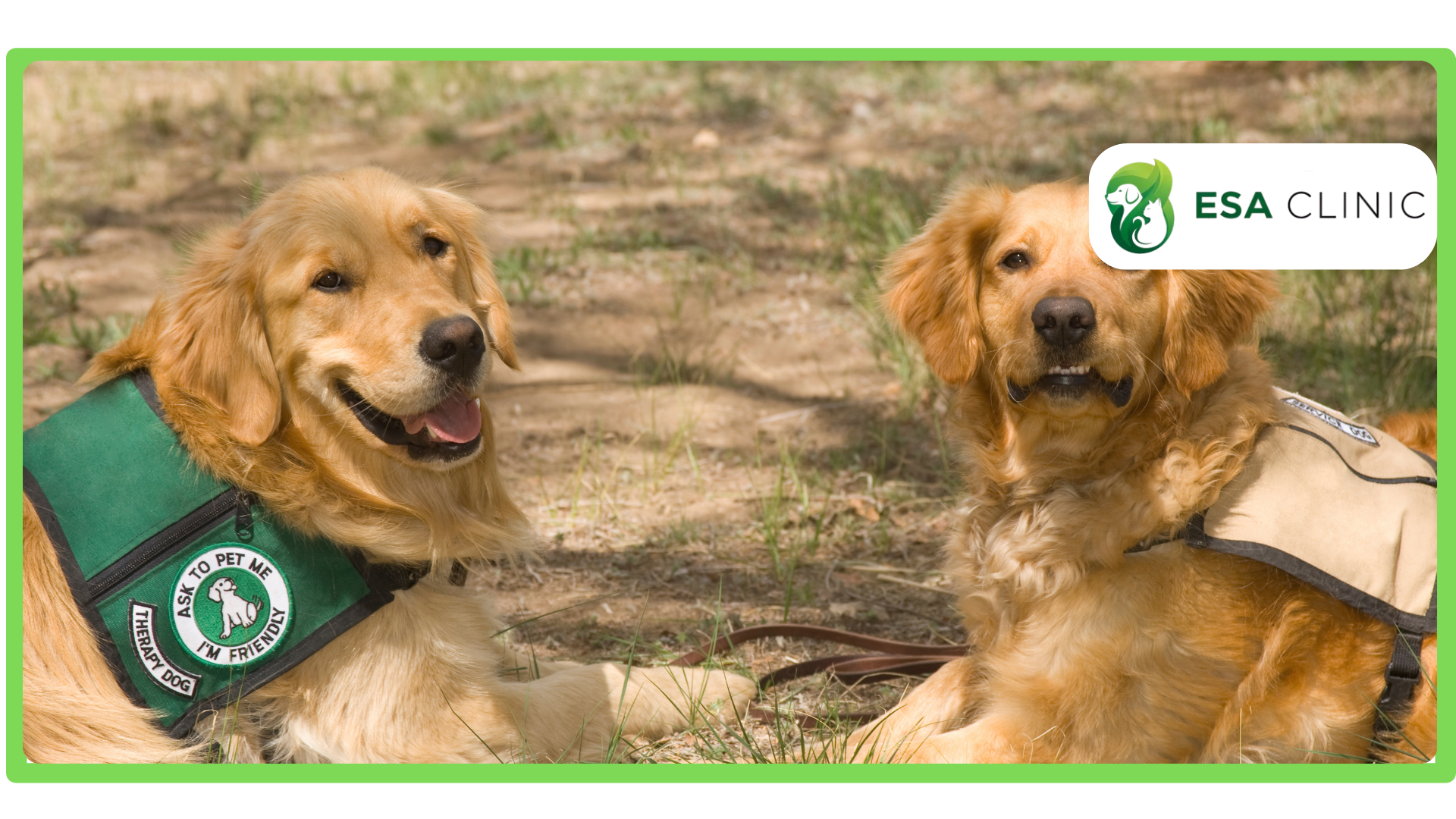
In the case of anxiety, PTSD, depression, or any other psychiatric disorder, we can offer you a life-changing service through PSD. These dogs are trained to perform some tasks that can be applied to the mental health symptoms, be more independent, and improve daily functioning. In New York, acquiring a PSD involves having a qualifying disability, proper training, and knowing your legal rights. A letter provided by a licensed mental health professional can assist with housing accommodation under the Fair Housing Act. This guide explains eligibility, training, costs, and legal protections in clear terms.
What is a PSD?
A psychiatric service dog is not merely a companion animal; unlike emotional support animals, PSDs are trained to do what can directly benefit a psychiatric disability. For instance, they can:
- Interrupt panic attacks or repetitive behaviors
- Provide grounding or pressure therapy during anxiety
- Alert the handler to early signs of distress
- Retrieve medication or other items in emergencies
Under the Americans with Disabilities Act (ADA), these dogs are considered service animals and are legally allowed in most public spaces.
Benefits of a PSD
A PSD is not just a pet; it actively contributes to mental health management. Anxiety and panic attacks can be reduced with the help of the dogs, the negative behaviours can be interrupted, and some techniques can be taught in stressful situations. They may remind handlers to take medication, comfort them on bad days, and assist them in living a day-to-day schedule. PSDs are also beneficial in enhancing independence and confidence, besides management of symptoms; hence, it becomes easier to get around in the community and during social experiences. When a psychiatric service dog is used to carry out these special tasks, it will become a trusted companion to enhance the quality of life of persons living with psychiatric disabilities in New York.
Legal Rights of Psychiatric Service Dogs in New York
PSD is protected under both federal and state laws. The Americans with Disabilities Act (ADA) enables PSDs to accompany their handlers in almost all public places, like restaurants, stores, and workplaces, without any extra charges imposed on them. The Fair Housing Act (FHA) ensures that individuals have the right to keep their service dogs, regardless of the housing policy, which does not allow pets. Also, landlords are not entitled to impose any pet deposits or pet fees. Such protections are further secured by the New York State Human Rights Law, which ensures that the owners of PSD are not discriminated against in public accommodations. Having a PSD letter New York can be a good way of explaining housing accommodation requests, although businesses cannot enforce documentation under the ADA.
How to Get a PSD Letter in New York
There is no official or government-issued PSD letter. Documentation may only be used to support housing or accommodation requests. It typically includes:
- Confirmation that a service dog is necessary to manage your condition
- The types of tasks the dog is trained to perform
Steps to Obtain the Letter
When requiring housing accommodation, you might be required to be accompanied by a letter from a New York-licensed mental health professional.
- Schedule an Evaluation: Appointment with a licensed mental healthcare provider, e.g., a psychiatrist, psychologist, or therapist.
- Talk about Your Symptoms: Tell your story, how you live with your condition, and what kind of work a dog could do to help you.
- Accept the Letter: The provider will send a PSD letter New York upon receiving approval.
Selecting and Finding Your Service Dog
After determining your need for a psychiatric service dog, the next step is to find an appropriate dog. You can:
- Take the help of professional organizations that provide pre-trained PSDs, such as K9s For Warriors or A Lending Paw.
- Use a certified trainer to train your existing dog.
- Get a dog from a shelter that has the correct temperament for PSD work.
The characteristics of a service dog to be sought:
- Calm and even-tempered
- Intelligent and Open-Minded
- Medium-large size, especially where pressure therapy is being provided.
Selecting the perfect dog breed to use in PSD
The breed is a vital decision that should be made to ensure that a PSD can perform the duties needed. Some other breeds, such as Labrador Retrievers and Golden Retrievers. They are also good breeds, easy to train, and can manage anxiety and depression. Poodles are highly adaptable, smart, and hypoallergenic, and are often a suitable breed when one has OCD. German shepherds are highly responsive, loyal, and trainable. That is why some handlers choose them and must work with complex psychiatric tasks, including PTSD-based needs. In choosing a PSD, the handlers should consider the temperament of the dog and its size. Also, the energy level is required to ensure the provision of emotional support and special-purpose activity regularly. The correct breed makes the dog more successful in an open location and offers long-term and solid support.
Training Your Psychiatric Service Dog
Training is crucial for a PSD to reliably perform tasks. Dogs can be trained through:
- Professional trainers – Ensure both task-specific and public behavior training
- Private trainers – Offers personalized, hands-on training
- Self-training – With professional guidance, you can train your own dog
The training aims at identifying your symptoms, the tasks to reduce them, and maintaining a calm state in a crowded environment. A PSD requires socialization with individuals, animals, and crowds to be able to operate.
Conclusion
Obtaining a psychiatric service dog in New York will be a significant step towards controlling mental health. Your dog can be of great service when supported by proper training, appropriate housing documentation, and an understanding of your legal rights. Regardless of whether you get a pre-trained dog or train one, PSDs can help you to be independent, control symptoms, and move about freely in social places. A psychiatric service dog is a good companion and a valuable aid to better living when treated well.